
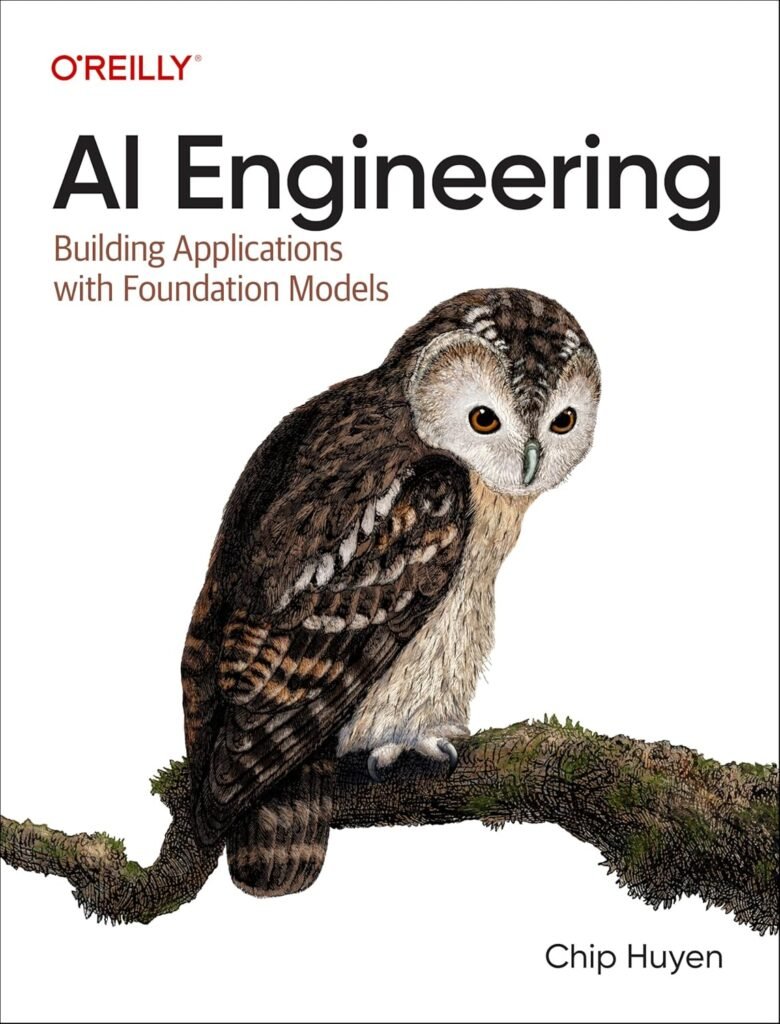

Here is a review designed for a technical audience (developers, data scientists, and tech leads). It positions this book as a necessary guide for the current AI boom.
Review: The Missing Manual for the LLM Gold Rush
Rating: ⭐⭐⭐⭐¾ (4.7/5)
In the last two years, the tech world changed. Suddenly, every developer is expected to integrate AI into their products. But there is a massive difference between “playing with ChatGPT” and “building a reliable, production-ready AI application.”
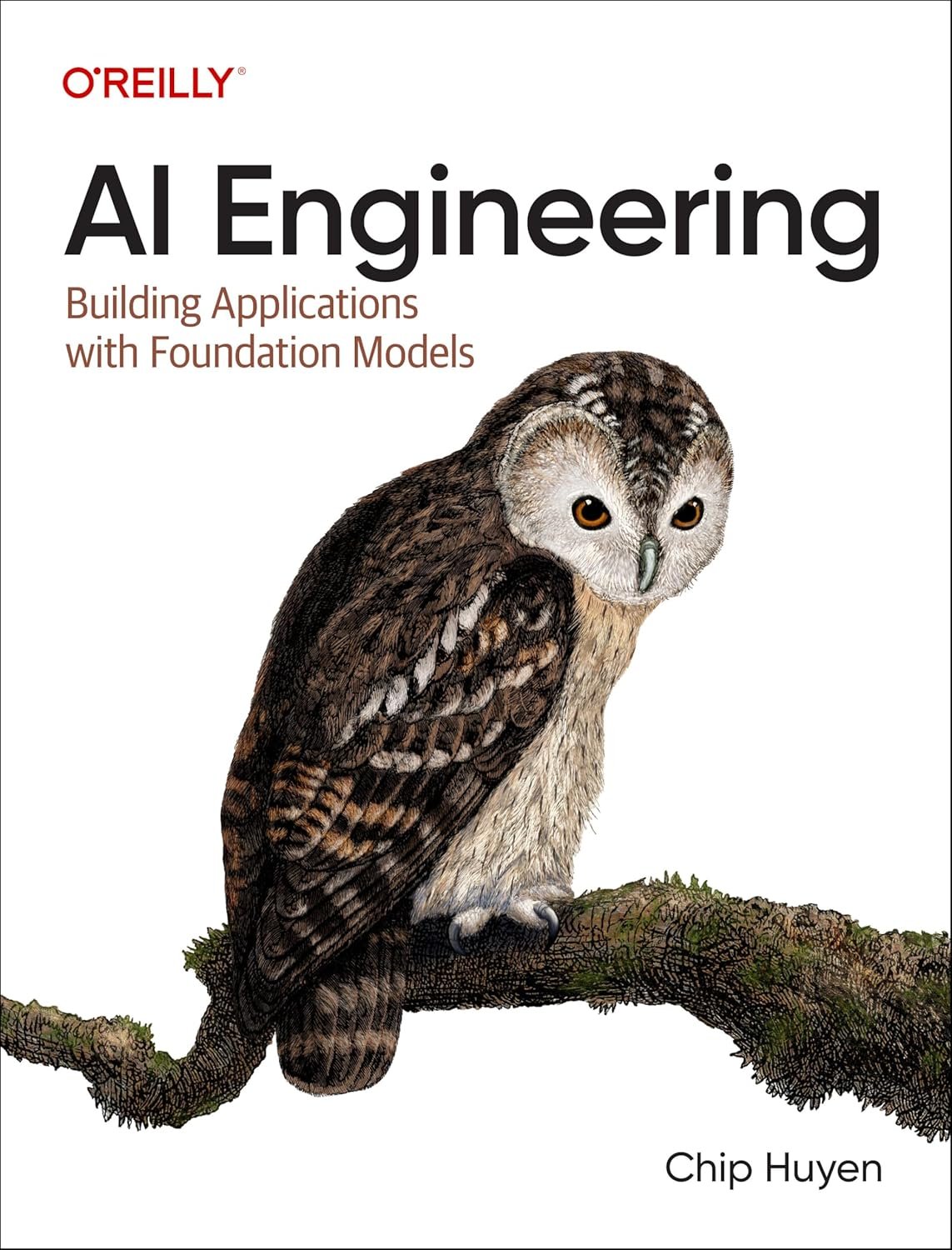
“AI Engineering: Building Applications with Foundation Models” is the bridge across that gap. It is not a book about how to create the next GPT-4; it is a book about how to use it to build real software.
1. It Moves Beyond “Prompt Engineering”
While many guides stop at “how to write a good prompt,” this book digs deeper. It treats Foundation Models (FMs) as software components.
- The Core Value: It explains the architecture of modern AI apps—specifically RAG (Retrieval-Augmented Generation). It teaches you how to connect an LLM to your own data so it doesn’t hallucinate.
2. Practical, Not Just Theoretical
This is a handbook for builders. It tackles the unsexy but critical problems that tutorial videos ignore:
- Cost Management: How to stop your API bill from exploding.
- Latency: How to make the AI respond fast enough for real users.
- Evaluation (Evals): How do you actually test if the AI is giving good answers? (This is the hardest part of AI engineering, and the book covers it well).
3. The “Build vs. Buy” Guidance
It does a great job helping you decide:
- Should you use OpenAI/Anthropic (Closed source)?
- Or should you host Llama/Mistral yourself (Open source)?
It breaks down the trade-offs of privacy, control, and difficulty.
The Honest Truth (Cons)
- The “Expiration Date” Risk: The field of AI Engineering moves at light speed. Some specific code libraries mentioned in the book might be updated by the time you read it. However, the architectural concepts will remain valid for years.
- Not for Total Beginners: You need to know how to code (likely Python). This is not for non-technical managers; it is for engineers who need to ship code.
Final Verdict
If you are a Software Engineer trying to pivot into AI, or a CTO trying to understand how to implement GenAI in your company, this book is essential reading. It turns “AI Magic” into “Engineering Science.”
Who This Book Is For
This book is for anyone who wants to leverage foundation models to solve real-world problems. This is a technical book, so the language of this book is geared toward technical roles, including AI engineers, ML engineers, data scientists, engineering managers, and technical product managers. This book is for you if you can relate to one of the following scenarios:
- You’re building or optimizing an AI application, whether you’re starting from scratch or looking to move beyond the demo phase into a production-ready stage. You may also be facing issues like hallucinations, security, latency, or costs, and need targeted solutions.
- You want to streamline your team’s AI development process, making it more systematic, faster, and reliable.
- You want to understand how your organization can leverage foundation models to improve the business’s bottom line and how to build a team to do so.



Test
Thanks